
The Ultimate Guide to the Dark Indoor Swimming Pool: Luxury, Trend, and Tech
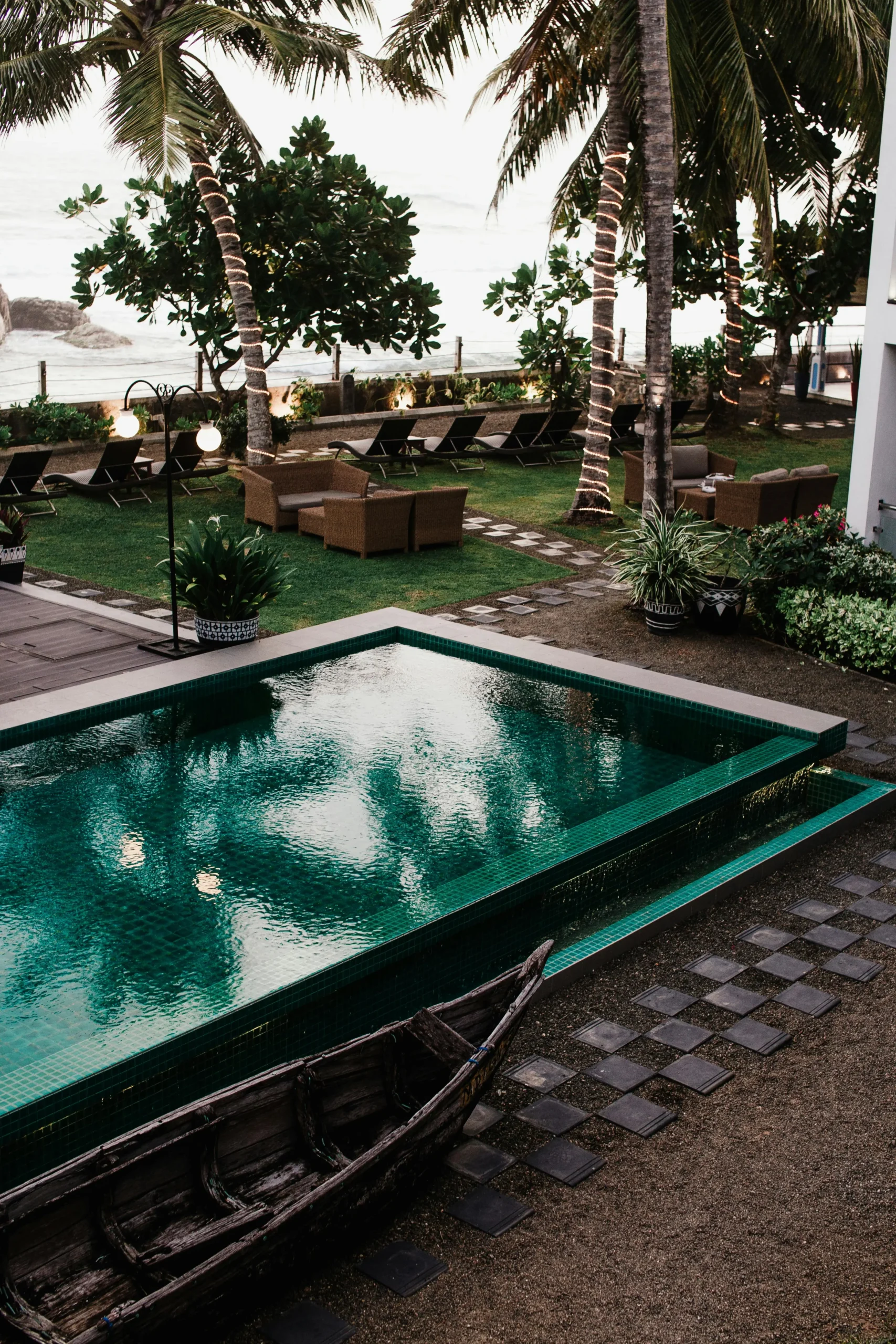
A dark indoor swimming pool background is the ultimate design “power move” for 2026. It moves away from the look of a local YMCA and toward the atmospheric, moody vibe of a five-star boutique hotel.
At DB Pool & Spa, we have seen a massive surge in homeowners choosing the “dark side.” But designing a black swimming pool isn’t just about picking a different tile; it’s about understanding how light, heat, and water interact in a confined space. This blog will guide you about everything related to the dark indoor swimming pool.
Dark Colored Pools are the New Trend
For years, bright blue dominated swimming pool design. That’s changing fast. Homeowners now prefer neutral, earthy, and dramatic tones that match modern interiors.
A dark indoor swimming pool background creates a reflective, almost mirror-like surface. Instead of standing out visually, the pool blends into the space, enhancing architectural lines and lighting effects. Indoors, this look feels intentional, calm, and spa-like rather than playful.
This shift mirrors trends in flooring, bathrooms, and kitchens, where darker palettes signal elegance and restraint.
Why Are Black Swimming Pools So Popular?
The popularity of the black swimming pool comes down to the “vibe.” Most pools look like a bright blue plastic bucket. A black swimming pool, on the other hand, feels like you’ve stumbled upon a hidden lagoon or a deep mountain lake. Especially when you’re indoors and can play with the lights, the water looks like a dark mirror. It’s moody, it’s high-end, and it just looks cool.
Do Dark Bottom Pools Help Cut Energy Costs?
Yes. It’s one of those rare times where the “pretty” choice is also the smart one. Dark bottom swimming pools are basically heat magnets.
It’s just basic science that the dark colors soak up heat while light colors reflect it. Even if you’ve only got a few skylights or some overhead gym lights, that dark surface grabs every bit of warmth it can find and holds onto it. This means your pool heater isn’t constantly chugging away to keep the water from getting chilly. Over a full year, those little savings on your electric bill really start to show. It’s a “green” choice that also happens to look incredibly expensive.
How Black Pool Tiles Affect Water Color
This is where the science of “Refraction” comes in. Many people worry a dark pool will look like ink, but that’s not how water behaves. Black Pool Tiles Affect Water Color by absorbing the red and yellow wavelengths of light. This leaves you with a deep, dark teal or an intense “midnight blue” look.
If you use a matte black tile, the water looks solid and deep. If you choose an iridescent or glass black tile, the water will shimmer with hints of oil-slick greens and purples. The result is a water color that feels “alive” and changes as you walk around the room.
Effects of Dark Pool Bottoms for Swimmers
Swimming in a dark pool is a unique sensory experience, but there are some things to keep in mind:
- Depth Perception: Because it’s harder to see the floor, it can feel like you’re swimming in an “endless” space. This is incredibly relaxing but requires careful marking of steps and ledges for safety.
- The “Clean” Illusion: Dark bottoms are great at hiding small bits of debris or sediment. While this makes the pool look cleaner day-to-day, it means you have to be more diligent with your chemical checks since you can’t always “see” when the water quality is shifting.
Pro Tip: If you ever notice the water looking a bit hazy against those dark tiles, don’t wait. DB Pool & Spa offers Same Day Pool Services to balance your chemicals and keep your dark oasis crystal clear.
Options for Dark-Colored Pools
You aren’t just limited to “pitch black.” There are several materials we use to achieve this look:
- Black Pebble Finishes: These give a textured, natural feel and are incredibly durable against chemicals.
- Deep Charcoal Plaster: A slightly softer look that still offers that stunning mirror-like reflection.
- Polished Basalt or Granite: The peak of luxury for a high-end indoor sanctuary. It feels amazing underfoot and looks like solid stone.
How to Prevent Overheating in Black Swimming Pools
Although being able to absorb heat is an advantage, you do not wish that your indoor pool is made into a sauna.
- Ingenious Ventilation: This is a high-quality dehumidification system of your indoor pool room. This keeps the humidity at bay which is brought along by warmer water.
- Incorporate a Water Feature: A slick Water Feature e.g. a clear drop waterfall, will aid in aerating the water. Since the water flows through the air, it cools down automatically, and so you are able to maintain a comfortable balance.
- Lighter Coping: The edge of the pool is to be made with a lighter stone. This offers a sort of visual frame and also makes the walking surface not too hot.
Designing the Perfect Black Swimming Pool.
The frame has to be considered so as to make the Perfect Black Swimming Pool.
- Use of Contrast: Your dark pool should be contrasted with light grey or beige stone decking. This causes the dark water to pop and the room not to be too cave-like.
- Lighting Strategy: This is important! Use color-changing LEDs. The lights will not be able to pale the water since it is dark and will appear as shining jewels in the depths.
- The Background: Apply a dark swimming pool (indoor) background on the walls such as slate or dark wood, to give a unifying, brooding, cocoon effect.
Key Takeaways
- Dark Colored Pools are the New Trend for 2026 luxury builds.
- They naturally retain heat, helping you save on energy and heating costs.
- Black tiles create a deep teal or “midnight” effect, rather than just flat black.
- They require expert installation to manage depth perception and safety.
FAQs
What are the advantages of a dark colored swimming pool?
The main perks are superior heat retention, a stunning “mirror” reflection of your architecture, and a modern aesthetic that makes the water feel deeper and more natural.
What type of pool is best for indoors?
Due to the opportunity to truly customize concrete (Gunite), it is generally preferred in an indoor setting since it can be altered to fit within the parameters of a particular room and provide that final dark tile look.
How much does an invisible pool cost?
An “invisible” or “vanishing edge” pool typically starts around $60,000 to $150,000. The effect of infinity will be even stronger when you use black material as the dark water will be in harmony with the shadows of the room.
Need help with your next project? Are you researching Swimming Pool Colors or you’re ready for a total Pool Renovation? For both, DB Pool & Spa is the team to get in contact with. Let’s build your dream pool together!


Comments are closed