
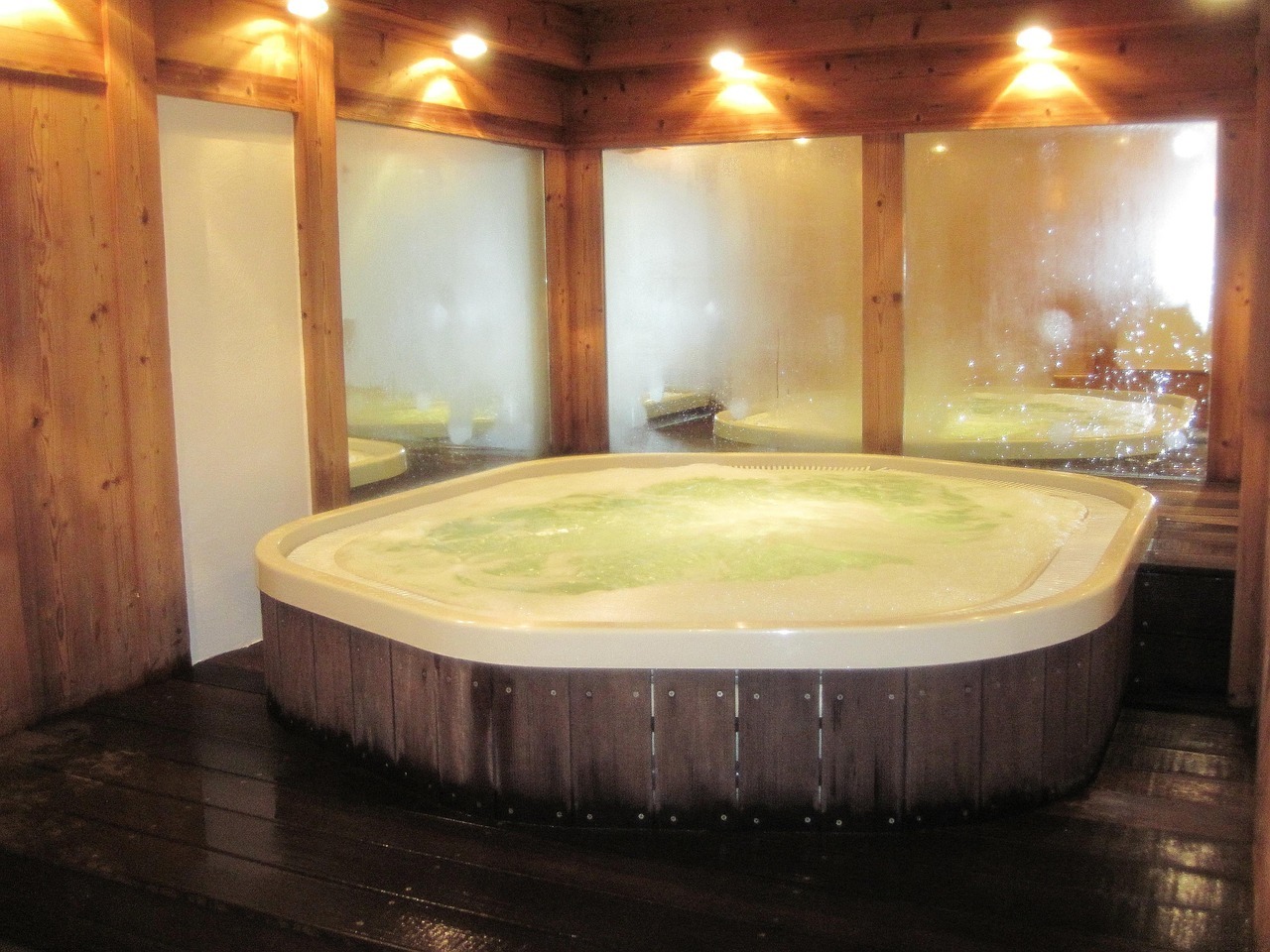
Precast concrete pool cost is usually the first thing homeowners investigate when they realize they can skip the six-month construction nightmare of a traditional build. A precast pool is essentially a concrete shell cast in a controlled factory environment and then trucked to your home. It’s a total game-changer for speed, but as with any Custom Pool Design, the price tag isn’t just about the shell itself; it’s about the logistics of getting a several-ton block of concrete over your roof and into your backyard.
Precast vs. Traditional Concrete
To understand the price, you have to understand the method. A traditional “shotcrete” or “gunite” pool is built on-site. Crews tie rebar, spray wet concrete, and let it cure for weeks. With a precast model, that curing happens in a factory.
While a traditional concrete pool cost might seem lower on paper for a large family-sized basin, precast excels in quality control. You aren’t at the mercy of a rainy day or a bad batch of concrete mix on-site. However, traditional pools win on flexibility you can’t easily “stretch” a precast mold, whereas a shotcrete pool can be any shape you can imagine.
Precast Concrete Pool Cost Breakdown
When you sit down to look at a Precast Concrete Pool Cost Breakdown, it’s rarely just one number. You have to look at the “big three” expenses:
- The Shell: This is the actual concrete basin. Depending on the size, this usually starts around $25,000 to $35,000.
- Transportation and Crane Hire: This is the “hidden” cost. Since these pools are delivered in one piece, you need a massive crane to lift it over your house. This can add $2,000 to $10,000 depending on how tricky the access is.
- Site Prep and Plumbing: You still have to dig the hole, line it with gravel, and hook up the pumps.
If you use a precast concrete pool cost calculator, make sure it includes the “finishing touches.” For example, precast concrete pool coping cost (the edge around the top) can add another $2,000 to $5,000 depending on the material and labor involved in fitting it perfectly to the pre-made shell.
Plunge Pool Design Features and Upgrades
One of the reasons precast has exploded in popularity is the rise of the “Plunge Pool.” Most precast molds are smaller, making them perfect for tight urban lots. These Plunge Pool Design Features often include built-in benches, internal stairs, and high-end tile lines that are applied at the factory.
Because the pool is smaller, you can often afford to go “all out” on upgrades. You might add a heating system that turns your plunge pool into a giant hot tub in the winter, or high-end LED lighting that makes the concrete look like a glowing jewel at night.
How Much Does a Concrete Pool Cost?
If you’re looking for a ballpark on a standard, full-sized pool cost, you’re generally looking at a starting point of $60,000 and going well north of $100,000 for something custom. Precast pools often sit in a similar price bracket once you factor in the crane and delivery, but you save significantly on the “time is money” aspect. You aren’t paying for a crew to be at your house for twelve weeks; you’re paying for a specialized team to be there for one very intense week.
Concrete Pool Maintenance Costs
No matter how it was built, concrete is a thirsty material. Weekly Maintenance is non-negotiable. Concrete is naturally alkaline, so you’ll constantly be balancing your pH levels.
Over the long term, you have to factor in the “resurface” cost. Every 10 to 15 years, a concrete pool (precast or otherwise) will need to be replastered or retiled. This can cost anywhere from $8,000 to $15,000. If you keep up with your Weekly Maintenance and keep your chemicals balanced, you can push that date back, but eventually, the water wins.
Long-Term Ownership Costs
Aside from the chemicals, you have to consider the electricity. Running a pump for a concrete pool usually adds about $30 to $60 a month to your bill, depending on your local rates. If you add a heater to your precast plunge pool, that cost can jump significantly during the colder months. Many homeowners opt for variable-speed pumps during the Custom Pool Design phase to help mitigate these long-term drains on the wallet.
How Long Does It Take to Build a Concrete Pool?
This is where precast shines. A traditional concrete pool takes 3 to 6 months from the first dig to the first dip. A precast pool can be installed, plumbed, and filled in as little as 2 to 4 weeks once the permits are in hand. If you’ve ever lived through a major home renovation, you know that saving two months of “mud and noise” is worth a premium price.
FAQs:
Are precast concrete pools cheaper?
Not necessarily. While you save on on-site labor, you pay more for the factory manufacturing and the specialized crane required for delivery. They are “faster,” but rarely “cheaper” than a basic vinyl or fiberglass option.
How much does a 20×40 concrete pool cost?
A pool of this size is a massive undertaking. In 2026, you should expect to pay between $100,000 and $150,000 for a 20×40 concrete pool, depending on the depth and the decking you choose.
How much is a precast pool?
For a standard-sized precast plunge pool, most homeowners land in the $45,000 to $65,000 range once delivery, crane hire, and basic equipment are included.
How much does a 12×24 concrete inground pool cost in Florida?
In Florida, the market is competitive but the demand is high. A 12×24 concrete pool typically starts around $55,000. If you want a screen enclosure (which most Floridians do), add another $10,000 to $15,000 to that total.
Thinking about making the jump to a precast pool? Contact our design experts today to see if your backyard is a good candidate for a crane-in luxury retreat.


Comments are closed