
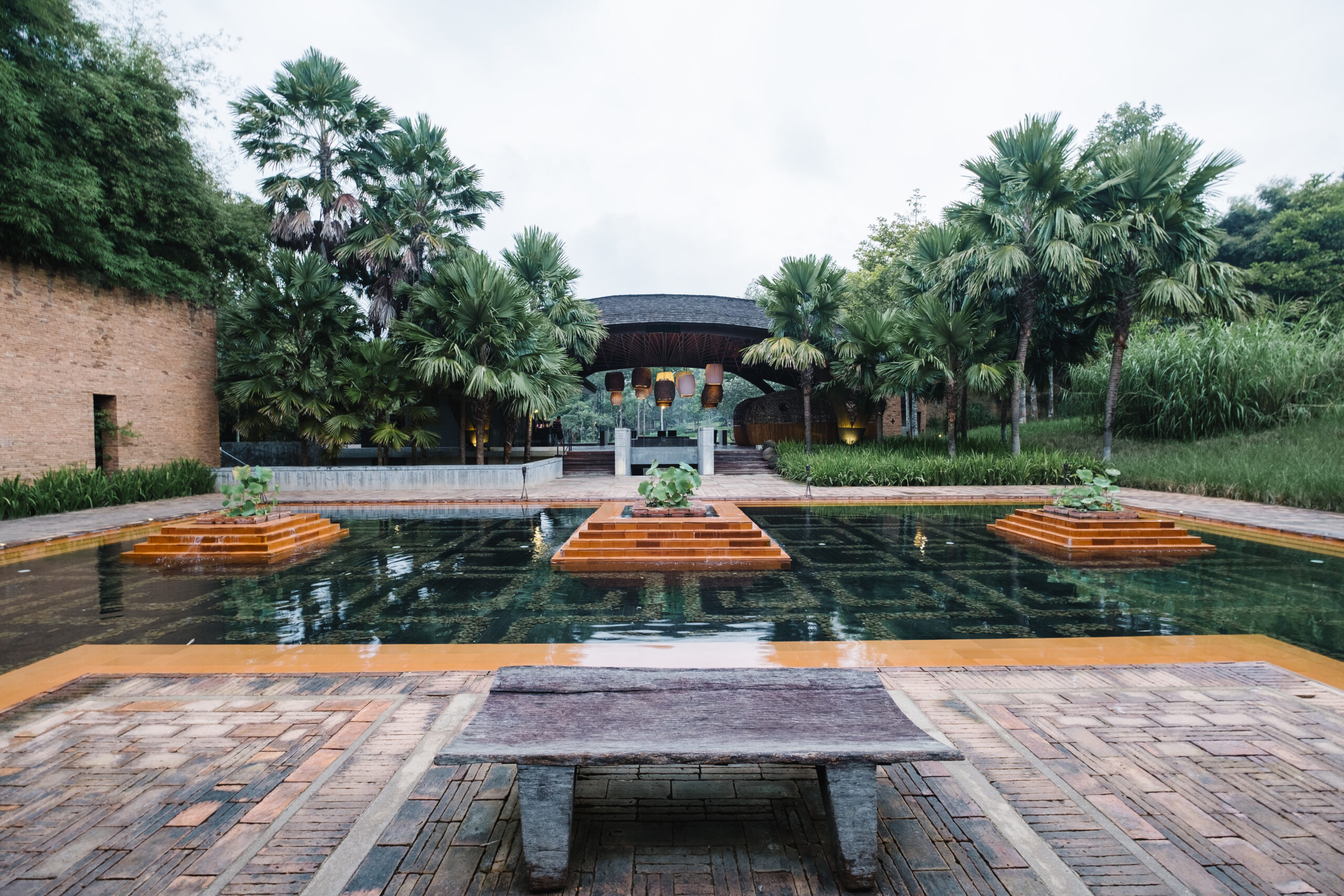
Most people dream about having their own swimming pool. The reality is nice, but there is a price tag attached, and it changes based on your pool, your location, and how much you want to handle the upkeep yourself.
Average Pool Maintenance Cost
In the U.S., most people spend somewhere around USD 900 to USD 3,600 a year to keep their pool happy. That usually includes cleaning stuff, chemicals, minor fixes, electricity, and either your own effort or paying someone to do the hard work. Some years it feels light, just basic upkeep. Then there are the “oh no” years, when the pump dies or something starts leaking, and boom, the budget’s gone.
Monthly and Annual Swimming Pool Maintenance
If you handle everything yourself testing, skimming, balancing, you’ll probably spend around USD 50 to USD 150 a month. Chemicals, test kits, maybe a few tools here and there. You can keep it on the low end if your pool’s small and you stay on top of it.
Hire a pro instead? Expect roughly USD 100 to USD 350 each month. That usually covers weekly cleaning, chemical checks, and basic balancing. Fancy systems or big pools? Yeah, that bumps it up. If you’re in the Miami area, you can check out our Weekly Pool Maintenance Service to keep your pool sparkling clean without the hassle.
Owning a pool’s not too scary if you plan right. It’s a bit of work, a bit of cost, but the trade-off is worth it when you dive in on a hot day.
Total costs, spread over twelve months, run from about 600 dollars on the lean end if you do every little task, up to 4,000 or more if you leave it to the pros or have a large backyard resort. If a main pump or heater fails, just about any budget can get blown out for that year.
1. Chemical and Maintenance Supplies
You might not expect it, but chemicals add up fast. Typical supplies include things like chlorine, salt, pH balancers, algaecide, shock treatments, stabilizers, and test strips. Plus, little pieces break or wear out. Filter replacements, O-rings, and new skimmer baskets are all part of the deal. With a compact pool and steady habits, your chemical expenses can hover around 15 to 40 dollars each month. If you have a big pool or lots of swimmers, the chemical bill may soar over 100 dollars. Heavy rain or a nasty outbreak of algae just pushes it higher.
2. Professional pool cleaning service cost
Hiring a professional can be handy especially if you are stretched for time or just do not want to mess with the details. Usually, experts charge one of three ways: by the visit, by the week, or through a monthly service agreement. A single service call may cost 80 to 200 dollars, while ongoing weekly plans are often in the 100 to 250 dollar range each month. If it is time for a deeper clean or the pool has been neglected, do not be surprised if it hits 200 dollars or more for one big job. The plus is peace of mind and easier routines, although you pay for it each month, even when things are quiet.
3. Electricity and Utility Outlays
Pools sip from your home power steadily; pumps often run several hours every day, and heaters only add to the tally. Old pumps can be less efficient, and investing in newer variable-speed units tends to save some money as time passes. Heaters, whether they run on gas or electricity, can make the energy bill jump. Solar systems may save money but cost more up front and need space. Depending on your setup and use, power bills from operating a pool can fall anywhere from 20 to 200 dollars per month.
4. Seasonal Maintenance Costs
If you get frost or snow, you will shell out a few more dollars opening your pool in springtime, usually around 150 to 400 dollars depending on cleaning, filling, chemical balancing, and equipment checks. Closing the pool before winter is a similar story, generally running between 100 and 400 dollars for winterizing chemicals, installing covers, and blowing out lines. Warmer regions often skip these calls for service and save the extra spending.
What Makes Pool Maintenance Expensive
A lot of the price variation comes from pool size. A bigger pool always drinks more chemicals, needs longer running equipment, and demands more effort. Odd-shaped pools are trickier to keep clean. Pool material matters too. Concrete pools can last forever but take more time and chemicals to keep algae at bay and cost more to fix. Fiberglass stays cleaner more easily, but it is expensive to repair if damaged. Vinyl liner pools tend to be affordable but need a new liner every ten years or so.
Where you live makes a big difference too. Windy or hot areas mean you fight more debris and extra chemical evaporation. Trees mean more leaves scooped out every week.
DIY can save lots, but it takes real time. Hiring professionals means letting someone else do the dirty work but guarantees you pay more over a year. Older pool heaters, pumps, and filters chew up more electricity and money each month; upgrading helps after a while but you pay up front.
Key Cost Components (Annualized)
Owning a pool comes with recurring expenses that add up over the year. Understanding these key cost components helps homeowners plan their swimming pool maintenance cost realistically.
Most annual pool costs include:
- Chemicals and testing supplies
- Professional cleaning services
- Electricity for pumps and heaters
- Repairs and replacement parts
- Seasonal opening and closing services
Annual Pool Cost Breakdown
| Expense Type | Typical Annual Cost (USD) | Notes |
|---|---|---|
| Chemicals & Testing | $300 – $900 | Higher due to chemical price increases (chlorine, salt, stabilizers) |
| Electricity | $300 – $1,500 | Rising energy costs; varies by pump type & usage |
| Professional Service | $1,500 – $3,600 | Weekly service in Miami now ~$120–$300/month |
| Repairs & Parts | $200 – $2,000 | Inflation + equipment costs increased |
| Seasonal Opening/Closing | $100 – $500 | Less relevant in Miami (year-round pools) |
| Water Refills | $100 – $400 | Water rates + evaporation in Florida climate |
| Equipment Upgrades | $200 – $2,500+ | Smart systems, variable-speed pumps, automation |
Average annual pool maintenance cost in Miami ranges from $2,500 to $7,000 depending on pool size and service level.
If you’d like to get a more accurate idea of your own maintenance expenses based on your pool type and size, try our Pool Price Calculator it’s a quick way to estimate your annual pool costs more precisely.
How to Save on Pool Maintenance Costs
Maintaining a pool doesn’t have to be expensive if you follow a few smart strategies. By combining simple DIY efforts with efficient system management, you can significantly reduce your overall maintenance costs.
Smart Ways to Save:
- DIY Cleaning: Regular tasks like skimming, brushing, and vacuuming your pool yourself can help reduce labor costs and keep your pool in good condition.
- Run Pump Efficiently: Use a timer to run your pool pump during off-peak hours. This helps lower electricity bills while maintaining proper circulation
- Use a Pool Cover: A pool cover reduces water evaporation and heat loss, helping you save on water refilling and heating expenses.
- Schedule Regular Inspections: Identifying small issues early can prevent expensive repairs later. Professional pool inspection services can help catch hidden problems before they grow.
Combining these strategies with routine pool maintenance service Miami ensures your pool stays efficient, clean, and cost-effective year-round.
Tips to Reduce Pool Maintenance Costs
- Learn the basics of pool care. You can save the money that you have to pay every month to the services since you are able to test the water chemistry by yourself and work on some easy tasks such as cleaning the house by vacuuming it. It is a time consuming undertaking but it leads to observable savings in the long run.
- Use a high-quality pool cover. When you are not using your pool, it is best to cover it to minimize leaves and debris that fall in, chemical evaporation is slowed by covering up the pool, and helps keep the water warmer. The price of a good cover is well justified to many of its owners in a few seasons.
- Select an appropriate type of pool to match your way of life and budget. One option is to use fiberglass and above-ground pools because, unlike large concrete pools, which require more chemicals and repairs, the pools use less money in the long run.
- Keep your equipment in good condition. Clean or replace filters on a regular basis and verify the operation of your pump. Finding minor issues at the early stage can save you a lot of money due to complex breakdowns.
- Invest in pump technology that is power efficient. Variable speed or energy star rated pumps use less electricity and could save you a substantial amount of utility bills.
- Turn on your pump when there is decreased electricity demand when the rates are low usually late at night or early morning. Such a minor change can save your power bills without affecting the cleanliness of the pools.
- When you are not in a hurry to consume the pool chemicals, do not purchase them at large quantities. With time, chemicals may go out of their expiry date or become weak and thus money is wasted. Purchase only what you will consume in suggested periods.
- Keep water levels on the watch. Keeping the correct water height is a way of keeping your pump and skimmer system intact and preventing damages and ineffective filtration with subsequent increased expenses in the future.
- Automate routine tasks when possible. Investing in robotic cleaners or programmable timers for pumps reduces manual labor and optimizes energy use. While there is upfront cost, these tools often save money by increasing efficiency.
- Lastly, keep a seasonal calendar for opening and closing your pool. Proper winterizing and spring preparation prevent damage and expensive repairs, especially in colder climates where freeze protection is needed.
Taking these steps not only controls costs but also enhances the longevity and enjoyment of your pool. The key lies in proactive care and smart investments that pay off year after year.
Frequently Asked Questions
1) How can I reduce pool maintenance costs?
You can reduce costs by using a pool cover, running pumps efficiently, performing basic cleaning yourself, and scheduling regular inspections.
2) How much does it cost for a year?
Usually, with average attention and no disasters, plan on somewhere between 900 and 3,600 dollars for a year of typical maintenance. If you’re still in the planning phase and wondering about overall investment, you can also explore how much it costs to build a pool to get a complete picture of both setup and ongoing expenses.
3) How long does pool equipment last?
Most pool equipment lasts 5–15 years depending on usage, maintenance, and quality of installation.
4) What increases pool maintenance costs the most?
Poor maintenance, equipment failure, leaks, and high energy usage can significantly increase overall costs.
Final Word
Pools are fun. No doubt. But yeah, they’re never free. You’ll always spend something. A little time, a little money, maybe both. The good part? You can keep it under control if you learn the basics and stay regular with the care. Don’t wait till it’s green or broken.
Enjoy the water, skip the stress. Let DB Pools help you pick and care for a pool that actually fits your budget and the way you live.


Comments are closed