
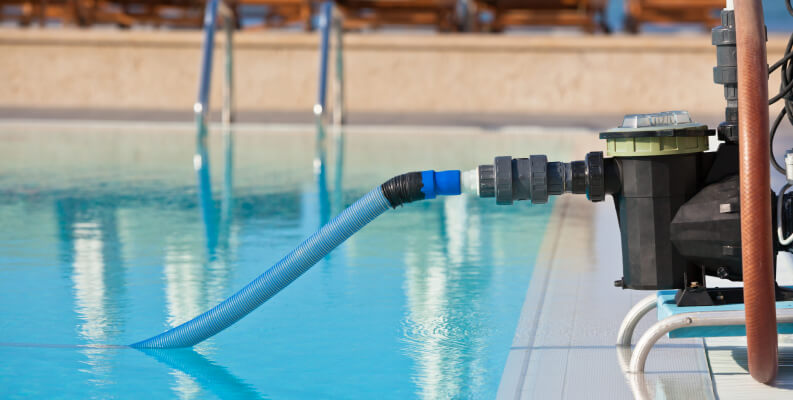
If you’ve ever wondered how does swimming pool plumbing work, you’re not alone. Most homeowners enjoy crystal-clear water without thinking about what keeps it circulating. Behind every clean, safe pool is a carefully designed swimming pool plumbing system that moves, filters, treats, and returns water continuously.
Understanding the basics helps you maintain your pool better, recognize issues early, and make smarter decisions during a Custom Pool Design project or while scheduling Weekly Maintenance.
Let’s break it down in simple terms.
How Pool Plumbing Systems Work: A Guide for Homeowners
A plumbing system for a swimming pool operates in a continuous loop. Water leaves the pool, travels through underground pipes to the equipment pad for cleaning and treatment, and then returns clean and balanced.
This circulation keeps water clear, prevents algae growth, and protects your pool structure and equipment.
The system works in three main stages:
- The Suction Side (Water Intake)
- The Equipment Pad (Treatment)
- The Pressure Side (Water Return)
The Suction Side (Water Intake)
The process begins by pulling water from the pool toward the equipment pad using suction created by the pump.
- Skimmers:
Located along the pool walls at water level, skimmers collect floating debris like leaves, insects, and oils before they sink. - Main Drains:
Positioned at the deepest part of the pool floor, main drains pull water from the bottom. This prevents stagnation and removes heavier debris. - Suction Lines:
These underground PVC pipes (typically buried about two feet deep) transport water from the skimmers and drains to the pump.
Together, these components ensure water is pulled from multiple levels for proper circulation.
The Equipment Pad (Filtration & Treatment)
Once water reaches the equipment pad, it enters the treatment phase.
The Pump
The pump is the heart of the swimming pool plumbing system. A motorized impeller creates suction to pull water in and pressure to push it back out.
The Filter
Water then flows through a filter to remove dirt and microscopic debris. Common types include:
- Sand filters
- Cartridge filters
- DE (Diatomaceous Earth) filters
Each has different maintenance needs but serves the same purpose: keeping water clear.
Heater (Optional)
If your pool is heated, water passes through a gas, electric, or solar heater after filtration.
Sanitization System
Before returning to the pool, water typically flows through:
- A chlorinator
- Or a salt chlorine generator
This stage ensures bacteria and algae are eliminated.
The Pressure Side (Water Return)
After cleaning and treatment, the pump pushes water back into the pool.
- Return Lines:
PVC pipes carry filtered water back to the pool. - Return Jets:
These wall fittings (often called eyeballs) push water into the pool in specific directions. Properly angled jets create circulation patterns that guide debris toward skimmers.
This completes the cycle.
Key Components for Control
Modern pools include additional control elements:
- Valves:
Two-way and three-way valves allow you to control water flow between skimmers, drains, and water features like waterfalls. - Check Valves:
These prevent water from flowing backward when the pump shuts off, protecting heaters and chemical systems.
Automation systems can also control valves, pumps, and chemical dosing electronically.
Common Materials Used in Pool Plumbing
Most residential pools use:
- Schedule 40 PVC pipe
- Flexible PVC for certain installations
- CPVC in higher-temperature areas
PVC is preferred because it resists corrosion, handles pressure well, and lasts for decades underground.
Why Pool Plumbing Matters?
Proper plumbing is critical for:
- Balanced water chemistry
- Preventing algae and cloudy water
- Protecting equipment from overheating
- Avoiding structural damage from leaks
- Ensuring safe swimmer conditions
A poorly designed or damaged system can lead to inefficient circulation, increased chemical usage, and costly repairs.
This is why professional installation during a Custom Pool Design project is so important and why consistent Weekly Maintenance helps catch small issues early.
Key Components of Pool Plumbing
To summarize, the essential components include:
- Skimmers
- Main drains
- Suction lines
- Pump
- Filter
- Heater (optional)
- Chlorination or salt system
- Return lines and jets
- Valves and check valves
Each plays a specific role in maintaining healthy water.
Swimming Pool Plumbing Works
If you look at a typical swimming pool plumbing system diagram, you’ll see a loop:
Pool → Skimmer & Drain → Pump → Filter → Heater → Sanitizer → Return Jets → Pool
The diagram helps visualize how water continuously cycles through the system.
When to Tackle Repairs Yourself vs. Calling Pros
Some minor tasks homeowners can handle:
- Replacing pump baskets
- Cleaning cartridge filters
- Adjusting return jet direction
However, call professionals if you notice:
- Sudden pressure drops
- Air bubbles in return lines
- Water loss beyond normal evaporation
- Cracked underground pipes
- Equipment pad leaks
Pool plumbing repairs often require pressure testing and specialized tools. Incorrect repairs can make the problem worse.
FAQs
How does pool plumbing work?
Pool plumbing works by pulling water from the pool through skimmers and drains, filtering and sanitizing it at the equipment pad, and pushing it back through return jets in a continuous loop.
How does a pool drainage system work?
Main drains pull water from the bottom of the pool while skimmers remove surface debris. Together, they maintain proper circulation and prevent stagnant water.
How does a swimming pool system work?
A swimming pool system combines plumbing, filtration, heating (if installed), and sanitization to circulate and clean water continuously.
What type of pipe is used for pool plumbing?
Most pools use Schedule 40 PVC pipe because it is durable, corrosion-resistant, and suitable for underground installation.


Comments are closed