
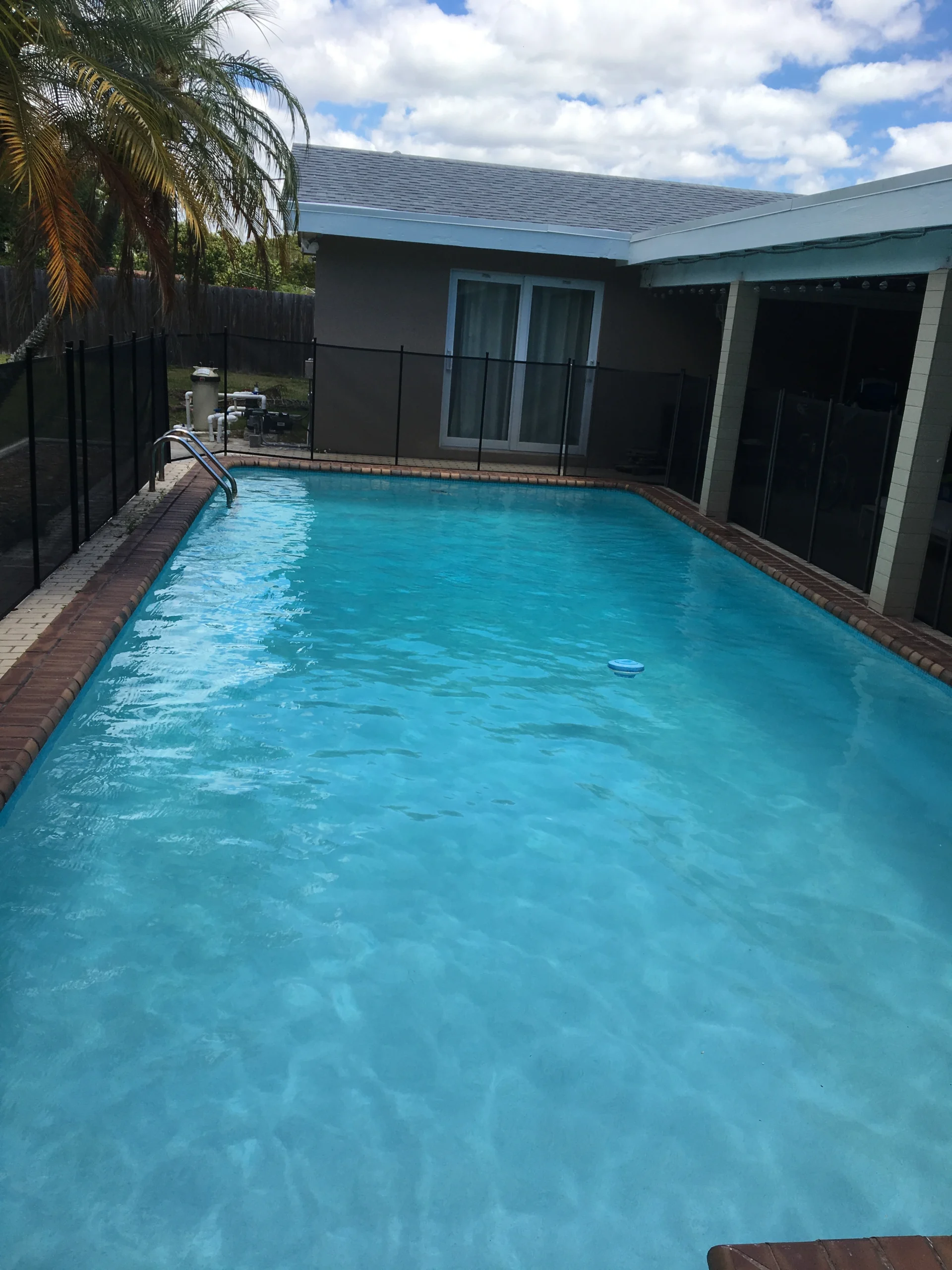
Pool temperature is one of the most overlooked aspects of pool ownership. While design, size, and finishes often receive significant attention, water temperature ultimately determines how often a pool is used and how comfortable it feels. A pool that is too cold discourages entry; one that is too warm can feel heavy, unpleasant, and inefficient to maintain.
Determining the best pool temperature requires balancing comfort, activity level, climate, and operating costs. There is no single temperature that works for every pool, but there are clear ranges that perform well under most conditions.
The Perfect Pool Temperature: Industry Standards and Real-World Use
In general, the perfect pool temp for residential swimming pools falls between 78°F and 82°F (25–28°C). This range is widely accepted across the industry as a good pool temp for everyday use.
At these temperatures:
- The water feels comfortable upon entry
- Prolonged swimming remains enjoyable
- Heat loss is manageable
- Energy consumption stays within reasonable limits
For most homeowners, this range also represents the best pool temperature for swimming, particularly for casual use such as family swimming, social gatherings, and light activity.
Temperatures below this range tend to feel uncomfortably cold, especially for children or infrequent swimmers. Temperatures above it may reduce comfort during movement and increase maintenance demands.
Pool Temperature by User and Activity
Pool use varies significantly, and water temperature should reflect the primary purpose of the pool rather than a fixed standard.
Recreational and family use
For pools used mainly by families, a temperature between 80°F and 84°F is often preferred. Children, in particular, are more sensitive to cooler water and lose body heat quickly. A slightly warmer setting improves comfort and extends swim time.
Adult leisure swimming
For relaxed swimming or occasional use, 78–82°F remains the most balanced range. This range is frequently cited as the best pool temperature for swimming without compromising energy efficiency.
Lap swimming and fitness
For sustained activity or lap swimming, cooler water is more suitable. Temperatures between 75°F and 78°F help regulate body temperature and prevent fatigue during extended exercise.
Therapeutic and senior use
For rehabilitation or low-impact therapy, warmer water supports muscle relaxation and joint mobility. Temperatures between 84°F and 88°F are commonly used in these settings, although they are less practical for general recreation.
This variation explains why the question what is the best temperature for a swimming pool has no universal answer. The correct setting depends on who uses the pool and how.
Determining the Right Temperature for Your Pool
Selecting the right pool temperature should be a deliberate decision, not an assumption. Homeowners should consider:
- Primary users (children, adults, seniors)
- Type of use (recreation, exercise, therapy)
- Frequency of use
- Local climate conditions
- Seasonal variations
For most residential pools, maintaining water at approximately 80°F provides a stable and comfortable pool temperature across a wide range of uses. It also limits unnecessary heating costs while ensuring consistent usability.
In warmer regions, especially coastal or tropical areas, professional guidance from a Miami Pool Building Service is often valuable. Prolonged sun exposure and high ambient temperatures can cause water to overheat, reducing comfort and increasing chemical demand.
Key Factors to Consider When Managing Pool Temperature
Pool temperature is influenced by multiple physical and environmental factors. Understanding these variables helps homeowners maintain stability and efficiency.
Climate and air temperature
Outdoor pools respond directly to surrounding air temperatures. Warmer climates reduce heating demand but increase the risk of overheating during peak summer months.
Sun exposure
Pools in full sun gain heat rapidly and retain warmth longer. Shaded pools often require higher heater settings to maintain a good pool temp.
Pool size and depth
Larger pools require more energy to heat but cool more slowly. Deeper pools tend to maintain temperature better than shallow pools.
Heating system type
Gas heaters provide rapid heating but at higher operating costs. Heat pumps are more energy-efficient but heat water gradually. Solar systems depend entirely on weather conditions.
Usage patterns
Pools used daily benefit from consistent temperature maintenance. Intermittent use allows for temperature reduction between swim periods to conserve energy.
In cases where temperature control is inconsistent or inefficient, engaging a Pool Renovation Service can help address insulation, heating equipment, or structural factors that contribute to heat loss.
What Affects Pool Temperature on a Daily Basis?
Even with a fixed heater setting, pool temperature fluctuates continuously. The most significant influences include:
- Evaporation, particularly during dry or windy conditions
- Night-time heat loss
- Wind exposure
- Rainfall
- Water features that increase surface movement
Evaporation is the primary cause of heat loss in swimming pools. The use of a pool cover can significantly reduce evaporation and stabilize water temperature, often lowering heating costs by a substantial margin.
The Risks of Overheating a Pool
While many assume warmer water equals better comfort, excessively warm pools introduce several drawbacks:
- Reduced comfort during physical activity
- Increased algae growth
- Higher chemical consumption
- Accelerated equipment wear
- Higher energy costs
The best pool temperature is one that supports use without drawing attention to itself. When water feels neutral rather than noticeably warm or cold, it is usually within the optimal range.
Frequently Asked Questions
Is an 80 degree pool warm?
Yes. 80°F is generally considered warm and comfortable for most swimmers. It is commonly cited as the best pool temperature for swimming in residential settings.
What is the most comfortable pool temperature?
For general use, 78–82°F is widely regarded as the most comfortable pool temperature range, balancing warmth and refreshment.
How long does it take to heat a pool from 65 to 85?
The time required depends on pool size and heating system. On average, it can take 24 to 72 hours. Gas heaters heat faster, while heat pumps require more time but operate more efficiently.
Conclusion
The best pool temperature is not defined by a single number but by thoughtful consideration of use, climate, and efficiency. For most residential pools, maintaining water between 78°F and 82°F offers the best balance of comfort and practicality.
Careful temperature management improves usability, reduces operating costs, and extends the lifespan of pool equipment. When set correctly, pool temperature becomes something swimmers no longer notice, and that is often the best indicator that it is right.


Comments are closed