
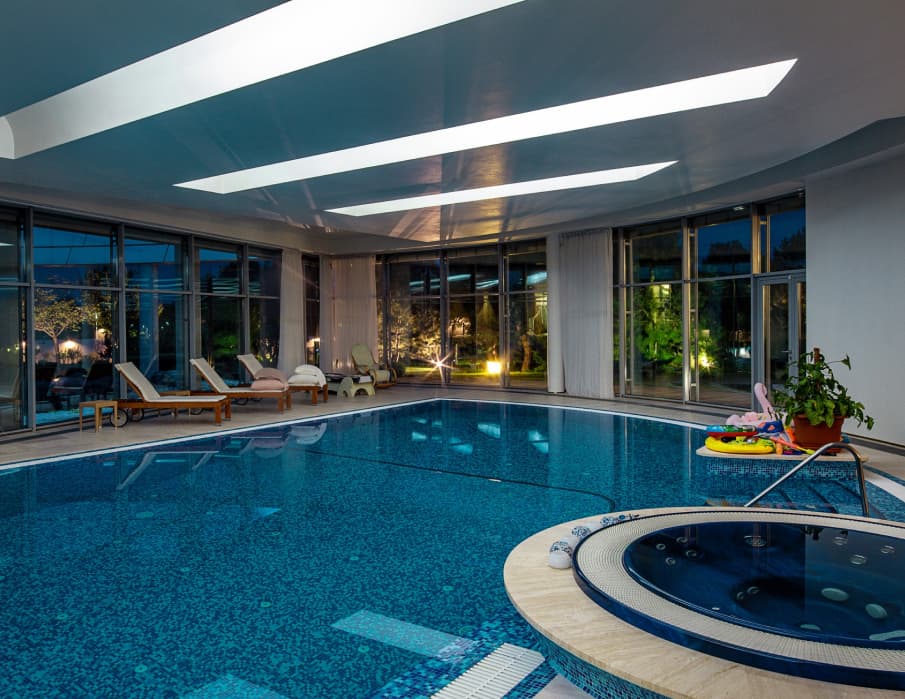
What Homeowners Should Really Expect
Is this the year you finally move forward with building an inground concrete pool?
For many homeowners, the idea has been on hold for a while, not because of lack of interest, but because of one big question: how much is this actually going to cost?
At DB Pool & Spa, we believe the best projects start with clear information. When homeowners understand costs upfront, without shortcuts or unrealistic promises, it becomes much easier to plan confidently and avoid surprises later.
How Much Does It Cost to Install a Concrete Pool?
One of the most common questions we hear is how much does it cost to install a concrete pool. In most cases, the starting price for an inground concrete pool begins around $50,000 and can go well beyond $100,000, depending on size, design, and features.
Smaller, straightforward pools usually fall at the lower end of this range. Larger pools, custom shapes, integrated spas, or specialty designs will naturally increase the overall price. When discussing cost to install concrete pool systems, it’s important to understand that concrete pools are built from scratch, which means pricing varies widely from one project to another.
Claims that a concrete or gunite pool can be built at the same price as a vinyl liner pool should be approached carefully. There are real costs involved in labour, materials, engineering, and construction time, and cutting too many corners can affect long-term quality and durability.
Basic Pool: $70,000 – $90,000 (structure, basic deck, filtration).
Luxury Pool: $90,000 – $120,000+ (custom finishes, spa, features).
Key Cost Factors for Concrete Pools
Concrete pool pricing varies because every build is custom. Several core factors directly influence the final installation cost.
Pool Size and Shape
Larger pools require more excavation, steel reinforcement, concrete, and labour. Custom shapes also increase design and construction complexity.
Design Complexity
Features such as integrated spas, tanning ledges, beach entries, or vanishing edges require additional engineering and materials, raising overall costs.
Site Conditions
Soil type, slope, access to the yard, and groundwater levels can significantly affect excavation and structural requirements.
Materials and Finishes
Plaster is the most cost-effective finish, while tile, pebble, or specialty surfaces add durability and visual appeal at a higher price point.
Additional Features and Equipment
Water features, lighting, heating systems, automation, and upgraded filtration all contribute to higher upfront costs.
Permits and Engineering
Local permits, inspections, and structural engineering are essential parts of concrete pool construction and vary by location.
Paying for a Concrete Pool: Planning Your Budget
Not everyone chooses to pay for a concrete pool upfront, and that’s completely normal. Many homeowners explore financing options so they don’t have to delay their plans for years.
Monthly costs depend on:
- The final pool price
- Loan terms and interest rates
- Loan duration
- Down payment, if any
While exact numbers vary, financing often makes concrete pools more manageable by spreading the investment over time. What matters most is understanding your comfort zone and planning a pool that fits both your space and your finances.
At DB Pool & Spa, we help homeowners design pools that align with their budget from the beginning, rather than adjusting expectations halfway through the build.
How to Save Money on a Concrete Pool
Concrete pools are a premium option, but there are smart ways to control costs without compromising quality.
One of the simplest ways to save is by choosing a plaster finish instead of tile or pebble surfaces. Plaster is widely used, reliable, and significantly more affordable than decorative finishes.
Another effective strategy is to delay non-essential upgrades. Features like slides, heaters, waterfalls, or automation systems can often be added later. However, it’s important to plan ahead. Plumbing for water features, lighting, and in-floor cleaners must be installed during construction, even if you add the actual features later.
Timing also matters. Building during the off-season may reduce costs and ensure your pool is ready when swimming season begins. Lastly, reducing pool size, even slightly, can make a noticeable difference in total cost without affecting enjoyment.
What Increases the Price of a Concrete Pool?
Since concrete pools are fully custom, certain choices will naturally increase the final cost. These include:
- Tile or pebble finishes
- Larger or deeper pool designs
- Integrated spas, tanning ledges, or beach entries
- Specialty pools such as vanishing edge designs
- Retaining walls or complex site conditions
- Larger patios and premium coping materials
Some features can be added later, but others, like pool size, structure, and major site work, must be factored into the initial build.
Concrete Pool Maintenance Costs
Concrete Pool Maintenance Costs are higher than some other pool types due to the porous nature of concrete surfaces. Regular brushing, chemical balancing, and periodic resurfacing are part of long-term ownership.
On average, homeowners can expect annual maintenance costs between $1,500 and $3,000, depending on pool size and service frequency. While maintenance requires commitment, many homeowners feel the durability and design freedom of concrete pools make the effort worthwhile.
Final Thoughts
Understanding concrete pool costs upfront helps you make informed decisions and avoid unnecessary stress. A concrete pool is a long-term investment, and when designed properly, it adds lasting value to both your home and lifestyle.
With experienced builders like DB Pool & Spa, homeowners get honest pricing, thoughtful design guidance, and pools built to last, not rushed projects with hidden compromises.


Comments are closed