

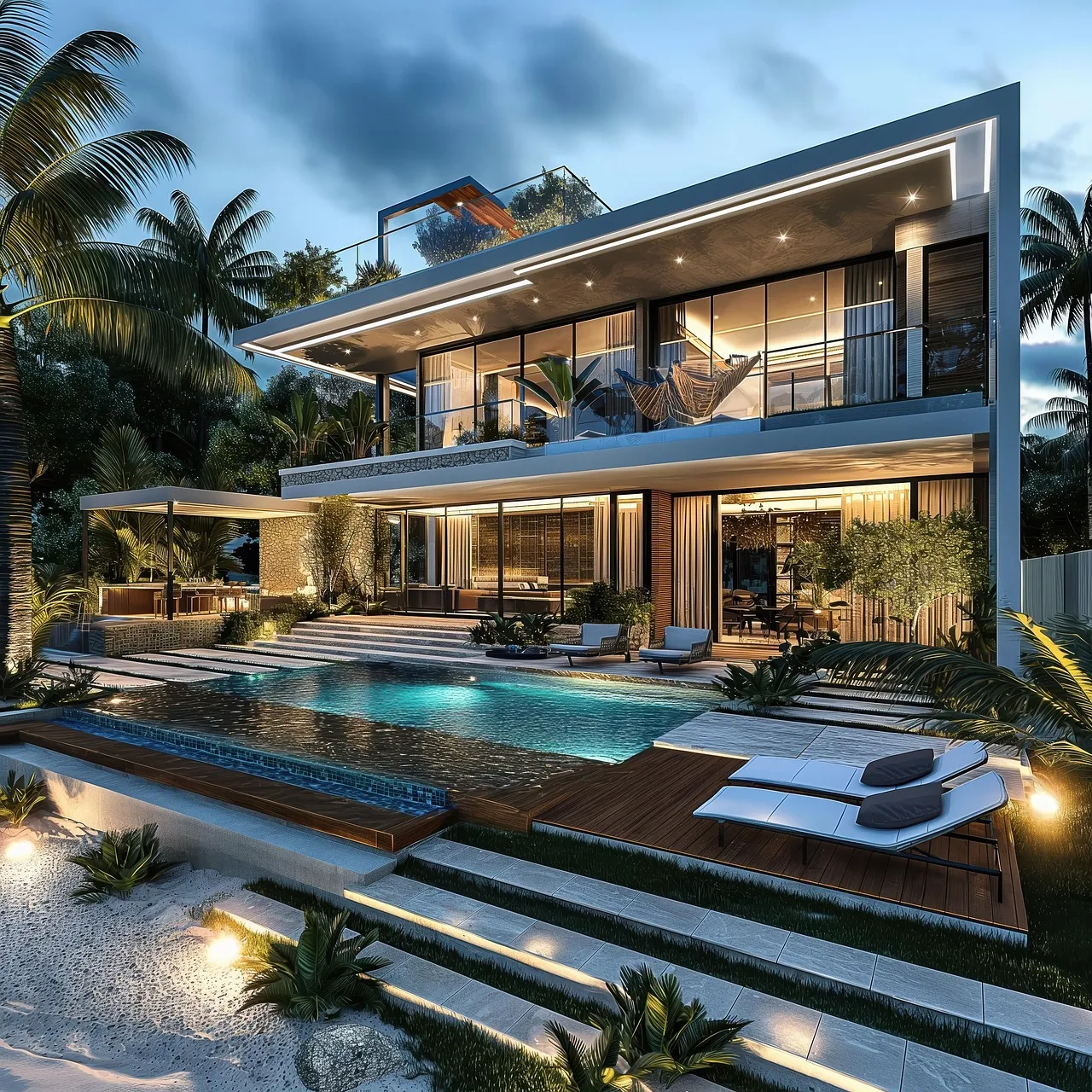
A realistic look at the question does a swimming pool increase home value is definitely worth looking into. This is because a swimming pool takes a lot of maintenance, and it only makes sense to have an idea whether it increases the price of the property value.
This guide breaks down all the main things that actually influence whether a pool adds value, and how to figure out if it’s worth it for your home, not someone else’s. And yes, we’ll answer the big question people ask online: do pools increase value of home, and if yes, by how much.
What Factors Influence a Pool’s Value?
You might hear people say “oh yes, a pool always adds value,” or “no way, a pool is a headache for buyers,” but the reality is in the middle. Several things make a big difference in how buyers look at the pool, and whether they are willing to pay more for the house because of it.
1. Location and Climate
Location and climate of the place where the property is matters the most in deciding if the value of it will increase with a pool. In warm states, think Florida, Arizona, Texas, California, Nevada, a pool doesn’t just feel like a luxury but something people actually expect. In places like these, buyers see a pool as a positive feature. So in these areas, does a swimming pool increase home value? Usually yes. The pool fits the lifestyle and weather.
But in colder climates, like the Northeast or upper Midwest, it’s more unpredictable. Some buyers still love pools and will pay more for it. Others don’t want the hassle of winterizing, covering it, or caring for it half the year.
You can think of it like this:
Hot states: pool = boost in value.
Cold states: pool = maybe, maybe not.
This is why some people talk to a Custom Pool Builder who understands local climate demands before starting anything.
2. Local Market and Neighborhood Trends
Even if you live somewhere warm, the neighborhood itself matters a lot. If most homes around you have pools, then having one too is almost expected. If your home doesn’t have one while everyone else does, buyers might even see your house as “missing something.”
But the opposite is also true:
If your neighborhood doesn’t usually have pools, adding one might not give as much return because you’re going above what the market normally wants.
Buyers compare homes side-by-side, and if a pool stands out as unusual, either too fancy or not something the neighborhood has, your return changes. So in this case, the best way to decide does a pool increase home value is by checking similar listings around you.
3. Type of Pool
Not all pools are treated equally by buyers. This is one of the most underestimated factors.
- In-ground pools almost always add more value than above-ground ones.
- Concrete and gunite pools are seen as premium options.
- Fiberglass pools are easier to maintain and attract buyers who prefer convenience.
- Vinyl pools are cheaper upfront but can feel “less long-lasting” to some buyers.
If somebody asks does a pool add value to your home, the answer strongly depends on whether the pool feels permanent, well-built, and aligned with the home’s overall style.
This is why people upgrading older pools often talk to companies offering Pool Renovation before listing their homes. A renovated pool, new tiles, resurfacing, updated coping, maybe a small redesign, can make the pool look 10 years newer and increase buyer interest.
4. Maintenance and Condition
A poorly maintained pool can actually hurt the sale. Buyers see cracks, stains, cloudy water, broken tiles, or old equipment and assume expensive repairs are coming.
But a clean, modern, updated pool creates a different reaction entirely. Suddenly the buyer is imagining summer weekends, kids playing, BBQ parties, and peaceful evenings next to the water.
Condition matters more than people think.
Sometimes owners invest in a few upgrades, new pump, resurfacing, new lighting, even minor cosmetic updates, and that instantly increases the attractiveness. This is where homeowners start exploring swimming pool remodeling ideas, especially if the pool looks dated.
If the pool is aged but functional, a small makeover can easily shift the answer from “no, not adding much value” to “yes, this absolutely adds value.”
Potential Drawbacks to Consider
Even though pools can help with value, there are also downsides. You want the full picture before deciding if it’s worth it for your home.
1. Ongoing Maintenance Costs
This is among the initial concerns that buyers raise. Pools take work. There is cleaning, adjusting chemicals, fixing pumps, and every other little thing. This may seem intimidating to a person who has not been accustomed to taking care of the pool.
However when the pool is fitted with modern equipments such as energy saving pumps and filters which are easy to clean, the buyers are less stressed. Weekly or bi-weekly services can also be beneficial, as some homeowners would employ it.
Still, when choosing whether to install one, you have to think: does a pool increase home value enough to cover years of maintenance? In warm states, usually yes. In colder areas, sometimes no.
2. Safety Concerns
Families having very young children or pets would be reluctant in purchasing a home with a pool. They worry about accidents. The use of fencing, alarms and the newer safety equipment will mitigate this.
The law in some states even mandates certain safety features and thus the older pools may have to be updated prior to sale.
3. Increased Insurance Premiums
Houses with pools are usually more expensive to insure due to more liability. Not all buyers are indifferent, but there are those who are interested.
It is not a steep rise, yet it is another issue that arises in the purchasing process. There is no value that insurance cost will decrease, but this cost can influence the thoughts of some buyers regarding the pool.
4. Limited Appeal
Even though many people love pools, not everyone does. Some buyers just don’t want the responsibility. Others don’t like the idea of the extra expense. So depending on your area, the pool may attract a certain type of buyer while discouraging others.
This is why location matters so much. Just because you love your pool doesn’t mean everyone else will.
Does a Pool Increase Home Value or Not?
The real answer is: in the right location and right neighborhood, absolutely yes. In many parts of the U.S., especially warmer regions, buyers expect a pool. And in those places, the question do pools increase value of home usually gets a strong yes.
But if the climate isn’t swim-friendly most of the year, or the pool needs a lot of repairs, then maybe the bump in value won’t be as big. The deciding factor is how buyers in your market feel about pools.
A home with a beautiful, well-maintained pool, especially one upgraded with modern features or recent Pool Renovation work, can easily attract more buyers and higher offers. A home with a neglected pool can have the opposite effect.
Before making changes, many homeowners explore swimming pool remodeling ideas so the pool looks more updated and buyer-friendly.
FAQs
What percentage does a pool increase home value?
It varies a lot depending on location, but on average, many real estate sources say a pool can increase the home value by 5% to 8%, sometimes even 10% or more in warm states where outdoor living is a big part of the lifestyle. The percentage is usually higher if the pool looks modern and well cared for.
Does a pool make my home sell faster?
Yes, more often, particularly where people live in warm climates and desire to have a pool. It might be a fresh, clean pool that will make your listing unique and will result in more showings. However, when the pool is worn out or requires a repair then this can be a hindrance as the buyers begin to consider the expenses. Then circumstance is not automatic, situation counts.
Is it worth renovating an old pool before selling the house?
One of the most basic Pool Renovation can be carried out in case the pool appears worn, broken, and/or stained and/or old-fashioned. Customers are very sensitive to the appearance of a pool in images. The pool can appear much newer even with simple upgrades, resurfacing, new lighting, new tiles, etc. There are times when proper makeover is unnecessary, but correction of the noticeable problems is always near to an almost any cost.
Do buyers prefer in-ground pools over above-ground pools?
Yes, most of the time. In-ground pools feel more permanent and add more value because they blend with the backyard design. Above-ground pools don’t usually boost value much and are seen more like temporary add-ons. If someone asks does a pool add value to your home, they usually mean an in-ground one, not an above-ground setup.
Final Thoughts
Ready to upgrade, remodel, or build a new pool? DB Pool & Spa can help you figure out what actually works for your home. Reach out anytime and we’ll guide you through the best options without overcomplicating anything.


Comments are closed