
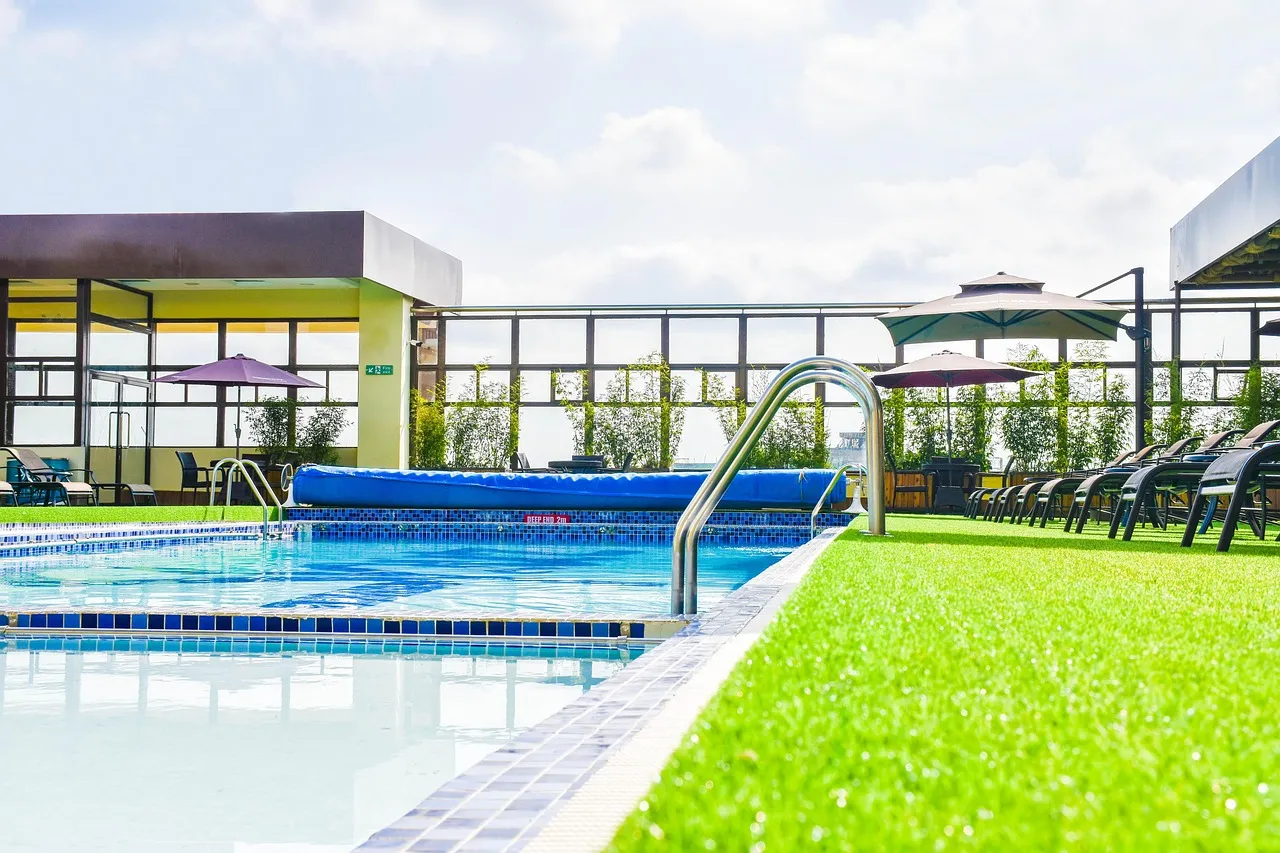
A swimming pool at ground level is no longer the only option. With shrinking plot sizes and vertical living becoming common, the idea of a swimming pool at roof level has quietly moved from luxury hotels to private homes. Today, a well-thought-out rooftop swimming pool design is not only possible but also practical, if done correctly.
This blog looks at what a rooftop pool actually is, how it is designed, what types exist, and what one must consider before planning the construction of a swimming pool on roof.
What Is a Rooftop Pool?
A rooftop pool is pretty much what the name suggests. A swimming pool built on the roof of a building. It can be on a private house, an apartment complex, or even a commercial space like a hotel or office building. In many homes, a house with swimming pool on roof is really about using the terrace properly. Instead of leaving it empty or filling it with storage, it turns into a space to relax, sit, and breathe.
But rooftop pools are not like ground pools. They need more thought. More checking. The rooftop swimming pool structural design has to handle a lot, water weight, people moving around, tiles, railings, machines. Everything adds up. This is usually where normal planning is not enough, and experienced engineers and a Custom Pool Builder become important. There is no shortcut here.
Popular Design Features for Rooftop Pools
Rooftop pool design is usually not about making the biggest pool possible. Space is limited, and so is load. So designers focus more on small, smart details. Things that make the pool feel open without actually adding weight.
Some features that are commonly seen in rooftop pools are:
-
- Infinity edges, especially when the rooftop opens to a city view or a wide landscape. It creates that flowing, endless look.
-
- Glass pool walls, which help reduce the heavy feel of concrete and make the pool look lighter than it actually is.
-
- Deck seating and loungers, planned along with the pool, not added later as an afterthought.
-
- Minimalist tiles, usually soft colours, nothing too loud or busy.
-
- LED underwater lights, kept subtle. Enough to see the water, not enough to distract.
A good roof pool design does not shout for attention. It feels light, calm, almost simple, even though a lot of technical work is hidden underneath. The idea is that the pool looks like it naturally belongs on the roof. Not something that was forced there later.
Types of Rooftop Swimming Pools
Not all rooftop pools are meant for laps or deep diving. In fact, most are designed for relaxation rather than exercise.
1. Plunge Pools
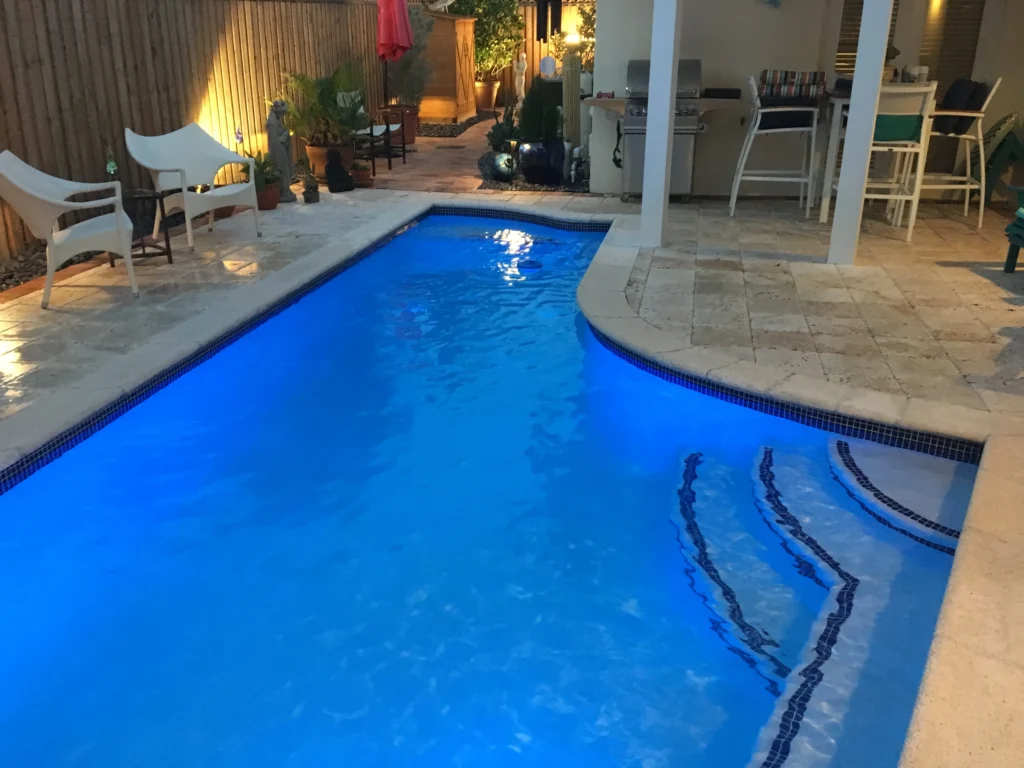
If you are thinking about what is a plunge pool, it is basically a small pool that is made for cooling off. Not for swimming laps. Not for spending hours in. You step in, you relax for a bit, and you step out. That’s the idea.
Plunge pools do not take up much space, which is why they work well on rooftops. Especially where load capacity is limited. They are practical, easier to manage, and usually easier to maintain as well. For many homes, this is the safest starting point.
2. Cocktail Pools

A lot of people ask what is a cocktail pool, and the name already gives a hint. A cocktail pool is shallow and compact. It is more about people than swimming.
You usually see seating ledges, comfortable depths, and sometimes slightly warmer water. It is made for standing, sitting, talking. These pools are becoming quite common in urban rooftop pool design, especially where the terrace is used for gatherings or small get-togethers.
3. Infinity Pools

Infinity pools look beautiful. There is no doubt about that. The water seems to disappear into the view, and it always feels luxurious.
But they are also technically demanding. Infinity pools need very precise leveling and careful drainage planning. On rooftops, they are definitely possible, but they increase the load, waterproofing needs, and overall complexity. This is not a type of pool where mistakes can be hidden.
4. Lap Pools
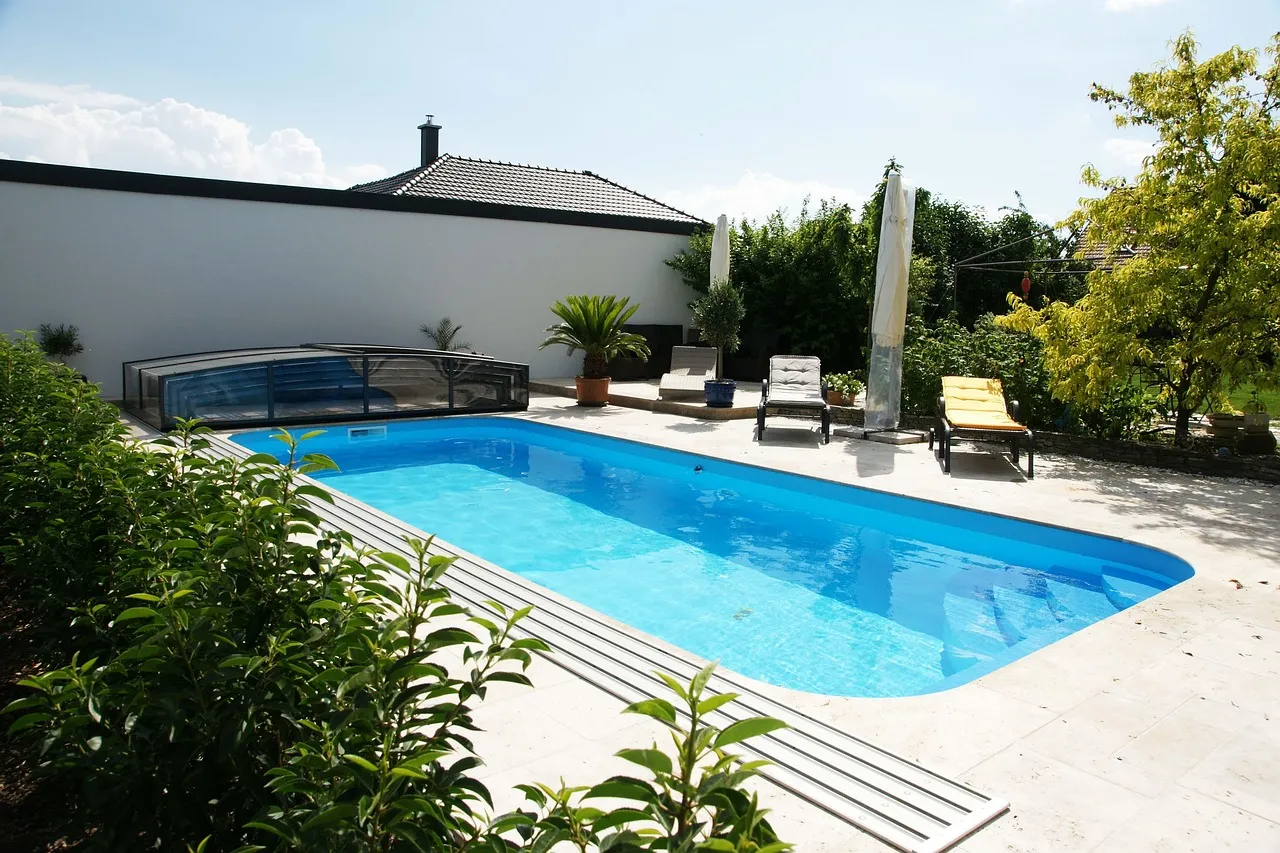
Lap pools are long and narrow. Made mainly for swimming. Not much else.
These pools work best on larger rooftops, commercial buildings, or wide terraces where space is not a big limitation. For smaller homes, lap pools can feel restrictive, but in the right setting, they serve their purpose well.
Benefits of Installing a Rooftop Pool
A rooftop pool is not just about luxury. There are some very real advantages.
-
- First, it optimises unused space. Instead of an empty terrace, you get a functional leisure area.
-
- Second, it offers privacy, especially in dense urban settings.
-
- Third, it adds property value. A well-executed rooftop pool design can significantly increase resale appeal.
-
- Lastly, it creates a personal escape, quiet mornings, evening swims, and uninterrupted views.
For many homeowners, a swimming pool at roof level becomes the most used part of the house.
What to Consider Before Building a Rooftop Pool
This is the most important section, and also where most mistakes happen.
Structural Capacity
Before anything else, a structural engineer must check if the building can handle the load. Water is heavy. The rooftop swimming pool structural design must account for live load, dead load, and safety margins.
Waterproofing
The fact that it has been poorly waterproofed can ruin the whole building. The quality of membranes, the right slope, and the drainage system cannot be compromised in the construction of swimming pool on the roof.
Depth and Weight
The ground pools are often deeper than rooftop pools. The weight is directly proportional to depth hence design decisions are significant.
Access and Maintenance
Consider the maintenance and installation of equipment. Pumps, filters and pipelines require access points that will not disrupt daily life.
Legal Approvals
Other cities are asking to have permits on rooftop pools. Before implementation, local building codes are supposed to be checked.
This is the reason why it is not a choice to work with Custom Pool Builder who knows the limitations of roof tops but a necessity.
FAQs
How much does it cost to build a rooftop pool?
The price varies depending on size, structural changes, quality of the waterproofing, and finishes. Rooftop pools are costly compared to ground pools on average because of engineering and safety reasons. The range of prices is large, yet structural work can take a significant part in the budget.
What is the depth of a rooftop swimming pool?
The majority of rooftop pools are not more than 3 to 4.5 feet deep. The deeper pools can be implemented, but their implementation demands some sophisticated structural support and is not as widespread in residential.
What are common problems with infinity pools?
Unless designed properly infinity pools can experience water loss problems, uneven overflow and increased maintenance. Rooftops make any slight leveling mistakes visible and therefore it is essential that it is executed by experts.
Final Thoughts
The pool on the roof is not a lay-on addition. It is a well thought out construction which integrates design, engineering and lifestyle requirements. The rooftop swimming pool design will change an ordinary roof to an exclusive escape when done correctly. When poorly done, it becomes a long term dilemma.
When you think of house with swimming pool on roof, you have to ponder, consult with the experts and put on your safety first. A rooftop pool must seem easy to operate, although much effort may have been used in its construction. If you want more ideas, or you have questions, contact us today!


Comments are closed